My awesome breakfast: supercharged oatmeal

I’m often away from home and busy from 10 am until 6 pm. I wanted to find a breakfast to keep me energized and satiated for that period of time. I’m interested in consuming great nutrition and find most restaurants lacking.

I’ve found something that not only does that, it’s super nutritious and delicious. I haven’t measured, but the oats, seeds, soy milk, walnuts, and yogurt add protein, the walnuts, seeds, yogurt, and olive oil add fat, the yogurt adds probiotics. and it’s got carbs and plenty of fiber from the whole grains and fruit.

I cook 1 cup of organic sprouted rolled oats from One Degree as directed. I add half a teaspoon of olive oil to keep it from foaming up.

If I don’t leave the lid slightly ajar, it’s too watery, so that’s an important part of the instructions. I let it simmer for 10 minutes to get a texture that’s slightly chewy.

After the oats are cooked, I add 3 tablespoons each of flax seeds, hemp seeds, and chia seeds, as well as a teaspoon each of Ceylon cinnamon and nutmeg.

I mix it really well and put it into a covered bowl to store in the fridge.

To eat, I mash about 1/3rd of a cup of the mixture with a couple of tablespoons of organic soy milk and warm it in a small saucepan. (No microwave available.)

While it’s warming, I prepare a one-serving bowl, adding blueberries and walnuts and whatever I have of the following: dried cranberries, blackberries, soaked prunes, pomegranate seeds.

Usually it’s sweet enough without adding anything, but if I want more sweetness, I can add a little bit of the water the prunes are soaked in, which is super sweet and plumps up the prunes. I keep a jar in my fridge. I could add honey or maple syrup if I didn’t have that.

I also add about a quarter cup of yogurt to the bowl. I prefer skyr or Greek yogurt for the protein.

I combine the heated oatmeal and soy milk with the contents of the bowl and stir well.

I get about 6 servings out of one cup of oatmeal. It sustains me very well throughout the day, and when I start to feel hungry again, it’s late afternoon, and I have a light dinner.

I am slowly losing weight without much effort.

I’ve tried intermittent fasting before where I didn’t eat until mid-day, but this timing (I think of it as front-end loading) seems to work so much better for my system.

I do a lot of batch cooking because it’s less time consuming than cooking each meal from scratch. I also make legume-based dishes, like black bean soup or lentil curry, and brown or black rice, doubling or even quadrupling the ingredients to make big batches that I can freeze in meal-sized batches.

Then I simply move a couple of servings from the freezer to the fridge to thaw for 1-2 days, reheat, and voila! Super heathy, inexpensive, delicious meals.

Roasted chickpeas, a delicious homemade snack

Think of all the commercial snacks that have been made to taste so good and have a good mouth-feel. Potato chips, corn chips, pretzels, popcorn…

Food scientists working for big corporations have engineered them to be addictive to increase profits, but they aren’t that healthy. Most of them are made of starchy ingredients, fried in unhealthy oil, and over-salted. They offer very little nutrition.

I want to please my taste-buds and mouth-feel, and I want to be healthy. The cells in our bodies live and die, and when new cells are made, what do you think they’re made of? The food we eat and drink, that’s what!

Our food choices have a lot to do with our health, and I want to be healthy. Hope you do too.

So, I have a new healthy food crush! You can convert cooked chickpeas into a tasty, healthy, salty, crunchy, not-fried snack, and you can also use them in place of croutons or other savory, crispy toppings.

When I saw the recipe and remembered I had some frozen chickpeas (because last time I made Palestinian hummus, I pressure cooked WAY too many chickpeas) I had to try it.

You could also do this with drained canned chickpeas.

The big secret is that the cooked chickpeas have to be completely dry before you roast them, or they won’t crisp up. I drained my chickpeas after they thawed and put them atop several layers of paper towels in a sheet pan and blotted the top.

To get them super dry, I put them in the refrigerator overnight.

I didn’t bother to rub the skins off each individual chickpea. Too much work for not much difference.

To roast, I preheated the oven to 425 degrees F. I put parchment paper on the sheet pan and spread the chickpeas on it. I drizzled them with a little olive oil and seasoned with salt. (I like Real salt.) I rolled them around so they were evenly oiled and salted and put in the oven.

I set the timer for 20 minutes and tried one. It wasn’t quite crispy, so I let them roast for 7 minutes longer.

Yum! Now I wish I had doubled the recipe. They don’t stay crispy long, so eat them right up!

You can add flavor if you wish, after roasting. I sprinkled some with paprika and some with Everything But The Bagel from Trader Joe’s.

I’d like to try garlic powder, curry powder, and cumin + chipotle powder.

I’m going to experiment with different oven temps, baking times, and seasonings. Will update this post with any breakthroughs in deliciousness and eas

Eating for gut health, part of my healing journey

This article from the British paper The Guardian about the connection between eating certain foods and improving gut health contains some new information.

I make (and sometimes buy) fermented foods like kombucha, kraut, kimchi, and kvass (haven’t tried making kefir yet), but there are a lot of other fermented foods, including cheese, miso (which apparently you can make at home — who knew?), olives (!), and vinegars.

The article also mentions prebiotic foods, like legumes (pulses in British English), mushrooms, dark chocolate, and sourdough bread. Sourdough is fermented, so maybe it’s in the wrong category?? Cacao beans, from which chocolate is made, is also fermented.

I had no idea that mushrooms were prebiotics. There are lots of others.

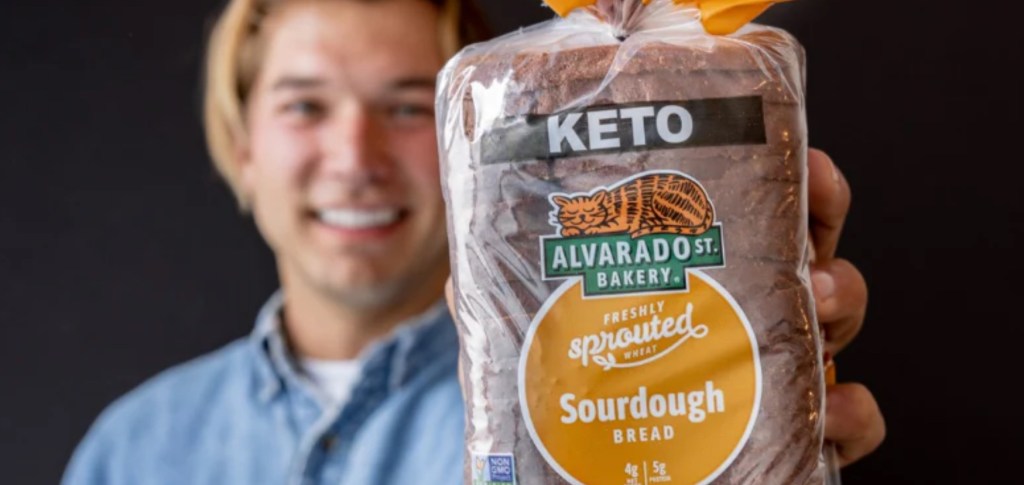
Just gonna mention here that although I don’t bake bread, I do buy a sprouted sourdough made by Alvarado St. Bakery (a California co-op) and sold at Austin’s Wheatsville Food Co-op.

On my own personal healing journey, digestive health was the second episode, after trauma and its effect on my nervous system.

I got food sensitivity testing, was positive for too much candida and sensitive to 14 foods including wheat and corn (but interestingly, not gluten). I did the very strict candida diet, which came with warnings that one slip-up could allow the candida yeast to get out of control again…so I followed it strictly for two-and-a-half months.

I didn’t know what “well” felt like until then.

Black bean guacamole

My granddaughter shared her recipe with me. It’s a big hit at parties and potlucks!

6 ripe avocadoes, mashed
1 can black beans, drained
Fill the empty can with chopped cherry tomatoes
Fill the empty can again with chopped red onion
Add 1 tsp each of garlic powder and onion powder
Salt to taste

She adds a pinch of sugar. I don’t. I’m going to make some today for a potluck tonight, and I’m going to add either smoked paprika or chipotle powder.

Mash it all together and serve with sliced veggies like cucumbers and bell peppers for dipping. If you prefer chips, I like Siete brand non-corn chips (not sure if they are available nationwide…this brand comes from a Texas Hispanic family that developed healthy Mexican food products), or serve with blue corn chips.

Eating 30 plants a week challenge: vegetable curry over red quinoa

I made this vegan curry a few days ago and it was so good I made it again! I like to cook big pots of tasty soups or curries, eat it for a few days (it gets even tastier), and when I want something else, I freeze what’s left and make something else. Then I have something that just needs thawing and heating when I don’t have time to cook.

The veggie count (counting each ingredient only once, because the spices and vegetable stock duplicated some):
coconut (oil and milk)
yellow onion
ginger
garlic
spices: turmeric, smoked paprika, fenugreek, coriander, cumin, red pepper, lemongrass, shallot, makrut lime peel, black pepper
vegetable stock: carrots, celery, leek, parsley, thyme, bay leaf, olive oil
veggies: tomatoes, sweet potatoes, broccoli, cauliflower, bell pepper, shiitakes, baby Bellas, oyster mushrooms, peas

That’s 30 plants, served over red quinoa, so the total is 31! In one meal!

Honestly, I’m not sure if the red pepper found in the curry powder and red curry paste and also in the vegetable stock is the same as the fresh red bell pepper chunks I added. So maybe the total is just 30…but whatever! I’m pleased with this experiment.

When you add herbs and spices and spice blends like curry powders and pastes, as well as vegetable stock, your plant count goes way up quickly.

The non-plant ingredients were: water, salt, and shrimp and barramundi because I wanted more protein. I added them at the end because they cook fast.

The recipe I used says it makes 6 servings. These are generous servings!

The variety of plants feeds a variety of good gut microbes, increasing digestive health and thus energy and overall health. Another perk: eating a variety of colors of veggies and spices — yellow, red, orange, green, white, brown, aka “eating the rainbow” — has numerous health benefits as well. (Note to self: next time add a blue or purple veggie — eggplant, cabbage, purple onions or sweet potatoes.)


Eating 30 plants a week challenge: a hearty, healthy winter breakfast

This is a challenge that’s been getting some attention, and it’s worth having fun with!

You’ll get more fiber, eat less processed foods, and it supports your healthy gut microbes. Of course, having a healthy gut influences the rest of the body, improving digestion, energy, mood, sleep, and just plain feeling good.

I didn’t used to eat breakfast, as part of an intermittent fasting regimen. Now, I eat a hearty breakfast and eat again when I feel hungry in the afternoon. Letting hunger drive your eating, and then eating slowly and chewing well until satisfied, makes a difference.

That’s often it for the day. No dinner, and it makes intermittent fasting easier.

I do know the experience of overeating because the taste of something is so satisfying. I’m working with that. Also, I used to have a leaky gut and started working to improve my gut health in 2007, so it’s been a focus for a while.

Here’s what I’ve been eating for breakfast, with minor variations:

The organic sprouted rolled oats came from Wheatsville, an Austin food coop. They cook in 5 minutes, although I changed the proportions to 1/3 cup each of boiling water and oats and immediately turn the heat down to as low as it goes.

Add to that coconut milk yogurt, pecans, dried cranberries, beautiful organic blueberries, flax seeds, hemp seeds, maple syrup, and 5 spices (Ceylon cinnamon, nutmeg, ginger, orange peel, and allspice). While the oats are cooking, add everything else to a bowl. When the oats are done, add to your bowl and stir well.

Voila! 13 plants, from Wheatsville, Costco (the pecans and maple syrup aged in bourbon barrels!), and HEB, our beloved Texas chain that does so much for Texas communities in crisis from disasters and Texas public schools.

Really, it’s pretty simple: a whole grain, nuts, seeds, berries, yogurt, a natural sweetener, and spices. Have fun improvising on that!

Next up, a veggie curry served over quinoa.

Can I consume 30 plants in two meals in one day? Stay tuned!

Preventing or slowing age-related cognitive decline

I took notes on Dr. Andrew Huberman’s AMA (ask me anything) — he’s the Stanford neurobiology and ophthalmology professor with a podcast on using science for many factors of well-being.

His AMAs only available to premium subscribers of the Huberman Lab Podcast. Yes, I really am that nerdy!

Dr. Huberman says that lifestyle factors can override a genetic predisposition to Alzheimer’s disease if started early enough.

He also mentioned that scientists are working on a method of early detection using visual screening.

By the way, a friend of mine defined aging as “continuing to live”. I love it.

Many of these tips are best started decades before the ages in which Alzheimer’s usually shows up, but are helpful at any age.

  1. Avoid environmental toxins: pesticides, toxins, heavy metals are neurotoxins. They damage your brain. That means eat organic food!
  2. Do not hit your head hard if at all possible. Give up risky behaviors, especially if you’ve already had one TBI.
  3. Get quality sleep at least 80 percent of the time. Deep sleep helps your brain clear toxins, and you can use sleep apps to measure this. Slightly elevating your feet seems to help. Seems to me this would work best for back sleepers, not side sleepers.
  4. Challenge yourself cognitively. It’s not just doing crosswords, it’s more like learning a new language, reading difficult material, learning new-to-you dance steps. If you don’t get frustrated, you’re not being challenged enough!
  5. Get 3 to 3.5 hours of Zone 2 cardiovascular exercise per week to increase blood flow to the brain. Zone 2 cardio includes walking, rowing, swimming, and working out on an elliptical or stationary bike.
  6. Do 20 minutes of High Intensity Interval Training (HIIT) to release catecholamines for alertness, turning on neuroplasticity.
  7. Do 5-10 sets of resistance training to offset atrophy from aging.
  8. Your brain needs acetylcholine for focus and cognition. You can get it from food (eggs, especially) or take AlphaGPC in the morning, 300-900mg. Also: nicotine gum or patches — safe nicotine. Can ask your doctor.
  9. Eat a ketogenic diet. Also fasting.
  10. Take creatine monohydrate, 5 mg per day.

Whole grain bowls are healthy and creative!

A local food trailer that serves wonderfully healthy vegan food has inspired me. The food trailer is called ATX Food, and it’s parked just outside Bicycle Sports Shop on South Lamar, just south of the McDonald’s on Barton Springs and Lamar (which appears to be closed).

ATX Food makes fabulous quinoa bowls! There are several varieties. Each bowl on their menu includes toasted quinoa, half a perfectly ripe avocado, pickled red cabbage, and a generous dusting of sesame seeds. These bowls are colorful as well as healthy!

The photo below is their Chickpea Power Bowl. Other ingredients include wild mushrooms and fresh field greens (hiding under everything else). A green goddess dressing tops it off.

You can get bowls with squash, tomatoes, kale…and there’s even version with barbecued tempeh.

One of these bowls is more than enough food for me. And they are $12. I thought I would try my hand making them at home.

I like to improvise, and I went to town on my homemade grain bowls! Every day I concoct something different. like a variety of colors and textures and tastes. I like my bowls to serve my health as well as my eyes and tastebuds and mouth-feel.

So far I’ve used quinoa and wild rice, both hearty grain-like seeds. In the future I may use brown rice, black rice, buckwheat.

I could also replace the grains/seeds with legumes, and if I want more protein, I can add baked tofu, nuts, seeds, a jammy egg, feta, a sardine. (I’m not vegan, but I am making my diet more plant-based.)

I typically add spring mix but I could use any other kind of lettuce. Other raw veggies: those colorful mini-bell peppers, mixed colors of cherry tomatoes, cucumber, snap peas, green onions, chopped cauliflower, broccoli, or kale will all make a more salad-like bowl.

Possibilities for cooked veggies include asparagus, carrots, celery, green beans, mushrooms, spinach, sweet potatoes, squash, kale, chard, collards, beets. It’s good to research which veggies have more nutrients cooked, versus raw. (Not everyone agrees.) It’s a good way to use leftovers, too.

I enjoy the taste of pickled veggies, and I’ve pickled red cabbage at home…it’s easy, adds a pop of color and taste, and is a lot faster than making kraut. Pickled beets, okra, or ginger add nice pops of flavor, too.

Fermenting food is one of my favorite ways to prepare food. How much should you eat in a day? Short answer: as many types as you can, to strengthen your immune system and improve digestion.

Right now I have kombucha in my cupboard, going through a second fermentation with pomegranate juice. A two-quart jar of beet kvass sits on my counter. My refrigerator holds two jars of homemade kim chi.

I’ll soon be making kraut from a big beautiful red cabbage and salt. Kombucha, kvass, kim chi, and kraut are the big 4 Ks in my kitchen.

I also fermented soy beans, inoculating them with store-bought frozen natto. I now have lots of sticky, stringy natto that is so good with kim chi, and so good for getting calcium into your bones.

Wow, where am I? I really went off on a tangent there! I add kim chi or kraut to my bowls.

There are lots of ways to garnish a bowl: fresh sprouts, microgreens, pepitas, pistachios, chopped walnuts or almonds, sunflower seeds, hemp seeds, sesame seeds, flax seeds, pomegranate seeds, blueberries!

I like Bragg’s dressings made with olive oil. I love a good sesame-ginger dressing too. There’s a delicious miso dressing sold at H-E-B (Oka’s) that I want to replicate with healthy oil. Salsa, tahini, and yogurt are other possibilities.

The opportunities to create beautiful food that tastes great are many. These bowls are balanced, colorful, textured, and nutrient-dense. I like to eat one for my main meal of the day. If I’m hungry in the evening, I eat lightly.

Antioxidants may lessen severity of COVID in older people

My email this morning contained news from Science Daily that researchers have discovered the mechanics of why COVID tends to be more severe in the elderly and people with underlying conditions.

I’m no scientist, but this was something I wondered about. I’m 67 and although I don’t consider myself elderly, I am an elder. (Humor me.)

I wondered what exactly is it about being older that makes one more vulnerable. I know lots of people my age and older who are healthy and living active lives. They don’t have underlying conditions, and apart from wrinklier skin, graying hair, and joints that are a little bit stiffer, are pretty healthy and fit.

According to this research as I understand it, it’s cellular oxidation that gives the COVID virus something to latch onto.

“Our analysis suggests that greater cellular oxidation in the elderly or those with underlying health conditions could predispose them to more vigorous infection, replication and disease,” says co-author Rajinder Dhindsa, an emeritus professor of biology at McGill University.

…According to the researchers, preventing the anchor from forming could be the key to unlocking new treatments for COVID-19. One strategy, they suggest, could be to disrupt the oxidizing environment that keeps the disulfide bonds intact. “Antioxidants could decrease the severity of COVID-19 by interfering with entry of the virus into host cells and its survival afterwards in establishing further infection,” says Professor Singh.

Source: Science Daily article

Cells produce free radicals as the body processes food and reacts to the environment. If the body cannot process and remove free radicals efficiently, oxidative stress can result. Antioxidants can help prevent this.

It appears that over time, an excess of free radicals can do the kind of cellular damage that results in not only more severe cases of COVID, but also heart disease, cancer, stroke, arthritis, Parkinson’s, respiratory illness, and more.

How do you prevent oxidative stress? Avoiding inflammation, pollution, smoking, and too much UV exposure help.

You can also consume antioxidants from food. They are free-radical scavengers.

Antioxidant is a broad label for hundreds of substances that do the same thing: prevent or slow oxidative stress.

You’ve probably heard of some of them, like beta-carotene and lycopene. Each one does a specific thing, but all of them are plant-based, so it’s important to eat lots of fruits and veggies, especially the most colorful ones like berries, citrus, greens, beets, tomatoes, mangoes, etc.

Without knowing this, I learned that I was already doing a lot of things right.

  • I drink matcha every morning (green tea is a major antioxidant).
  • I eat lots of leafy greens.
  • I eat a small apple for a snack nearly every day.
  • I keep frozen berries on hand for smoothies.
  • I make and drink beet kvass (a fermented drink).
  • I cook with a lot of herbs and spices. I grow herbs and pick them right before cooking.

With supplements, more is not necessarily better, and some can interact with meds. You probably want to talk to a nutritionist first.

I hope that this is helpful. I hope you stay well, and if you get sick, that you recover well. If you want to know more, I found this article credible and helpful.

A delicious and simple green soup (for stovetop and Instant Pot)

I did a craniosacral therapy session last week on a friend whom I hadn’t seen since the start of the pandemic. I went to his home since he has a massage table there. We wore masks during the session with the window open.

The session was successful. He’d taken a spill on his bike, hit his head, didn’t seem too badly injured, went home…and noticed that he just didn’t feel right for a couple of weeks and called me. He felt shifts and releases throughout the session.

I sent him my Post-Concussion Self Care guidelines. If it was a concussion, it was minor, but any time the brain gets sloshed via head injury, craniosacral therapy can help, after any swelling goes down.

Anyway, he’s a great cook, and he invited me to share a mid-afternoon meal of his homemade green soup outdoors on his patio. Of course I accepted!

It was so delicious, I want to make it myself.

Here’s how he described making it:
1. In a stockpot, sauté an onion in olive oil.
2. Chop 2-3 different bunches of greens and stir into onions and olive oil. Choose from chard, spinach, kale, beet greens, collards, dandelion greens, arugula, parsley, or whatever leafy greens you like or have on hand.
3. Add 1 teaspoon salt.
4. Add about 6 cups water, cover, bring to a boil, then simmer for 20 minutes.
5. When cool enough to handle, pour into a Vitamix and blend.
6. If purée is too thick, add water to thin to desired consistency.
7. Season to taste with more salt and pepper.

After heating it, he added chunks of avocado, a handful of pumpkin seeds, fresh garlic chives, and salt and pepper to taste. Oh, and bird peppers! I tried one. Too hot for me.

Yum. The amazing thing is how simple this recipe is. Of course, you could fancy it up by adding garlic, herbs, lemon juice or vinegar, and veggie or chicken stock instead of water. You could add a dollop of plain yogurt or sour cream or some croutons, or grate Parmesan on top.

I’ve since made it in an Instant Pot. Even quicker! Sauté onions and greens in olive oil. Add water and salt. Use the pressure cooker setting for 5 minutes, then let it naturally release. Run it through a Vitamix or use an immersion blender. Season and garnish.